




Ceiling void module
Offsite residential construction, Glossary of terms, published by Buildoffsite in 2018, defines a combined and single service horizontal rack (or ceiling void module) as: ‘Integrated ductwork with pipe work and cable management support trays into a multiservices module mounted in the ceiling or under the floor. Usually constructed as an open frame structure, which reduces the overall weight of each section. Horizontal distribution has been in use for many years, but more recently mechanical ducting or pipework systems/modules are usually combined with electrical service distribution. Often ‘supply and fit’, these systems are fully manufactured offsite in factory conditions. While the pipework or ducting can be tested in the factory the system once connected must be systemtested and commissioned onsite. Modules should be constructed to give ease of access in the long-term. Examples have shown that two operatives can install over 90 m of pipework and over 45 m of cabling support in one day.’
[edit] Related articles on Designing Buildings
Featured articles
Check out some of the best features and news from Designing Buildings as well as key stories from around the web.
Fire performance of thermal insulation
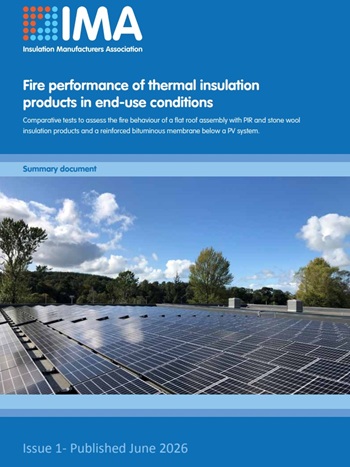
Flat roof assemblies with PV.
Become a Professional Development Partner

CIOB launches a new framework for staff development and chartered membership.

Dorset's first conservation campaigner?
Gov.uk - Hot-rolled steel plate

New anti-dumping measure imposed on South Korea.
ECA responds to the Milburn Report

Youth employment to be linked to workforce demand.
The construction industry urgently needs to attract new talent

CIOB responds to Neets report.
Grenfell Tower community update

Memorial columns to be retained as careful dismantling continues.

When buildings reflected the local resources available.

CIOB reports 57% are using artificial intelligence technologies.

More of England’s ‘hidden heroes’ will be celebrated.

CIAT calls for retrofit to be a priority.
Version 6 is now available, along with guidance for ECA members.